
How Does Post-Disaster Insomnia Develop? Evidence from the Henan “7·20” Flood
Data from 1,526 participants were used to examine pathways linking disaster exposure, catastrophizing, personality, and insomnia severity.

Sleep problems may persist long after a natural disaster has ended. Published online in PsyCh Journal on 11 July 2025, this collaborative study examined how exposure to the Henan “7·20” flood was related to insomnia severity.
From external threat to persistent arousal
The study analyzed 1,526 responses collected within two weeks of the flood. Participants reported disaster exposure, insomnia severity, catastrophizing, and Dark Triad personality traits. Greater exposure was associated with more severe insomnia, and catastrophizing explained part of this association.
The three Dark Triad components did not operate identically. Narcissistic traits strengthened selected links among disaster exposure, catastrophizing, and insomnia, suggesting that similar external exposure may generate different psychological responses across individuals.
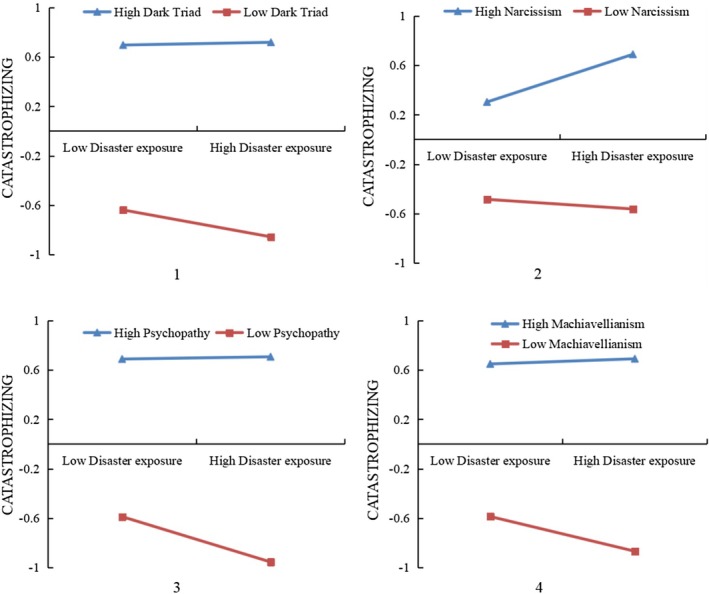
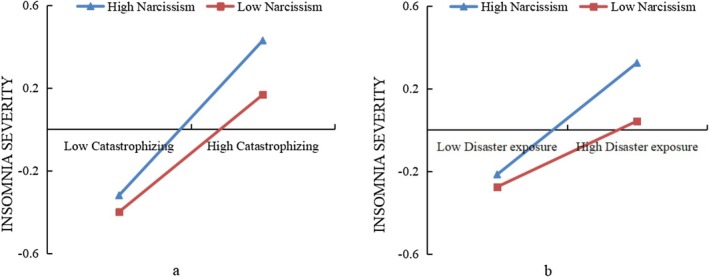
Figures 2–3 from the paper: moderation patterns for Dark Triad components (left) and simple slopes involving narcissism and insomnia severity (right). Source: Yang et al., PsyCh Journal, 2025.
The findings frame post-disaster insomnia as more than a matter of sleep habits. Interventions may also need to address threat appraisal, repetitive worry, and individual differences. Because the data were cross-sectional and self-reported, the model identifies associations but cannot by itself establish causal order.