THEORETICAL FRAMEWORK & RESEARCH
Theoretical Framework and Research
Our work draws on cognitive neuroscience and psychophysiology, treating sleep as a dynamic process shaped by continuing interactions among neural activity, physiological regulation, environmental input, and individual differences.
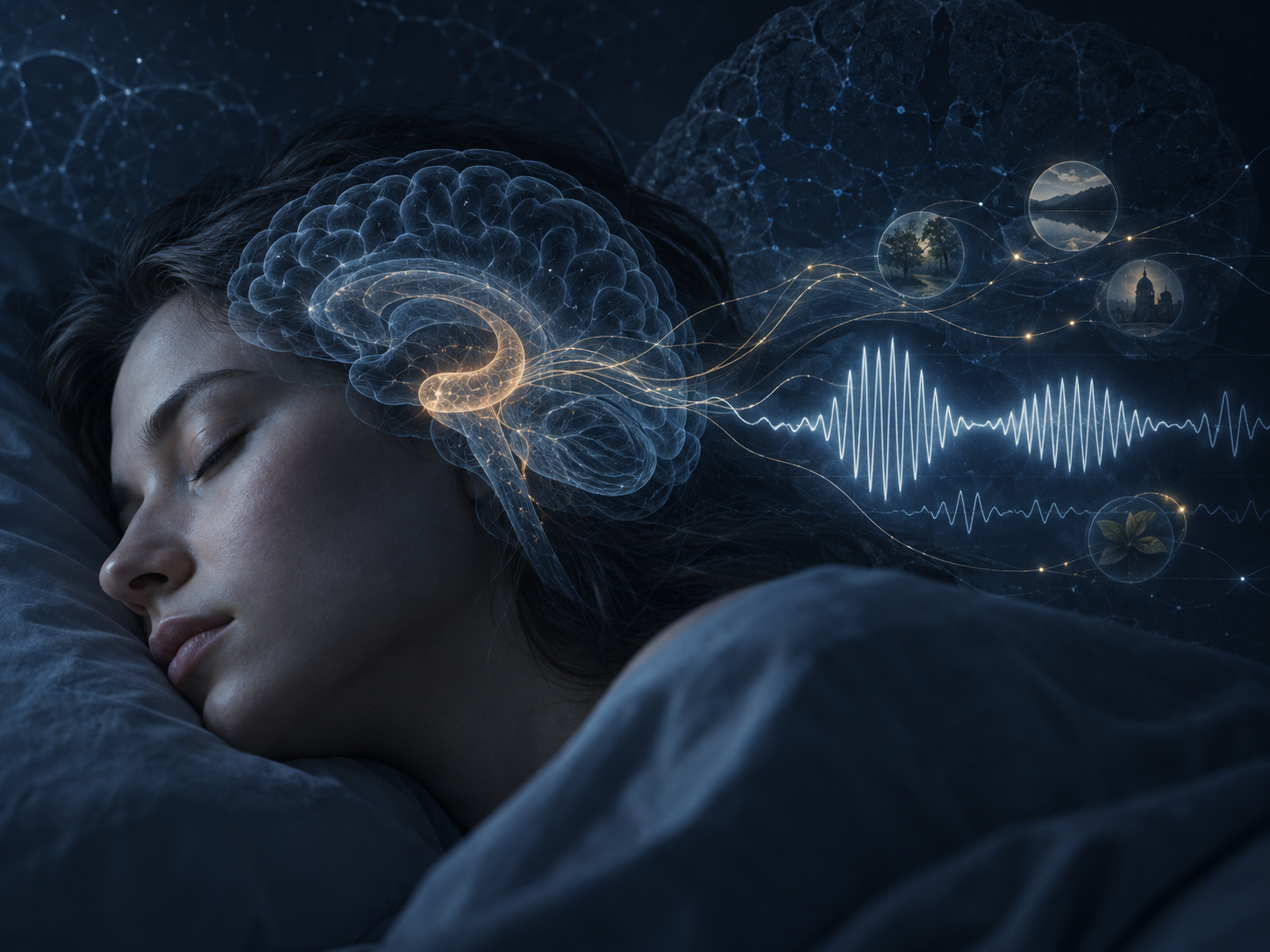
01 / SLEEP-DEPENDENT MEMORY CONSOLIDATIONSleep-dependent memory consolidation
How does offline neural processing stabilize and reorganize newly formed memory representations?
Grounded in systems consolidation theory and sleep-dependent memory reactivation, we examine how daytime naps and nocturnal sleep influence declarative memory, and how slow waves and sleep spindles relate to behavioral gains.
- Theory
- Offline processing · memory reactivation · systems consolidation
- Methods
- Behavioral experiments · EEG/ERP · sleep monitoring
- Current project
- Nap-based strategies and mechanisms for enhancing declarative memory in adolescents
- Grant
- 2025CJY056
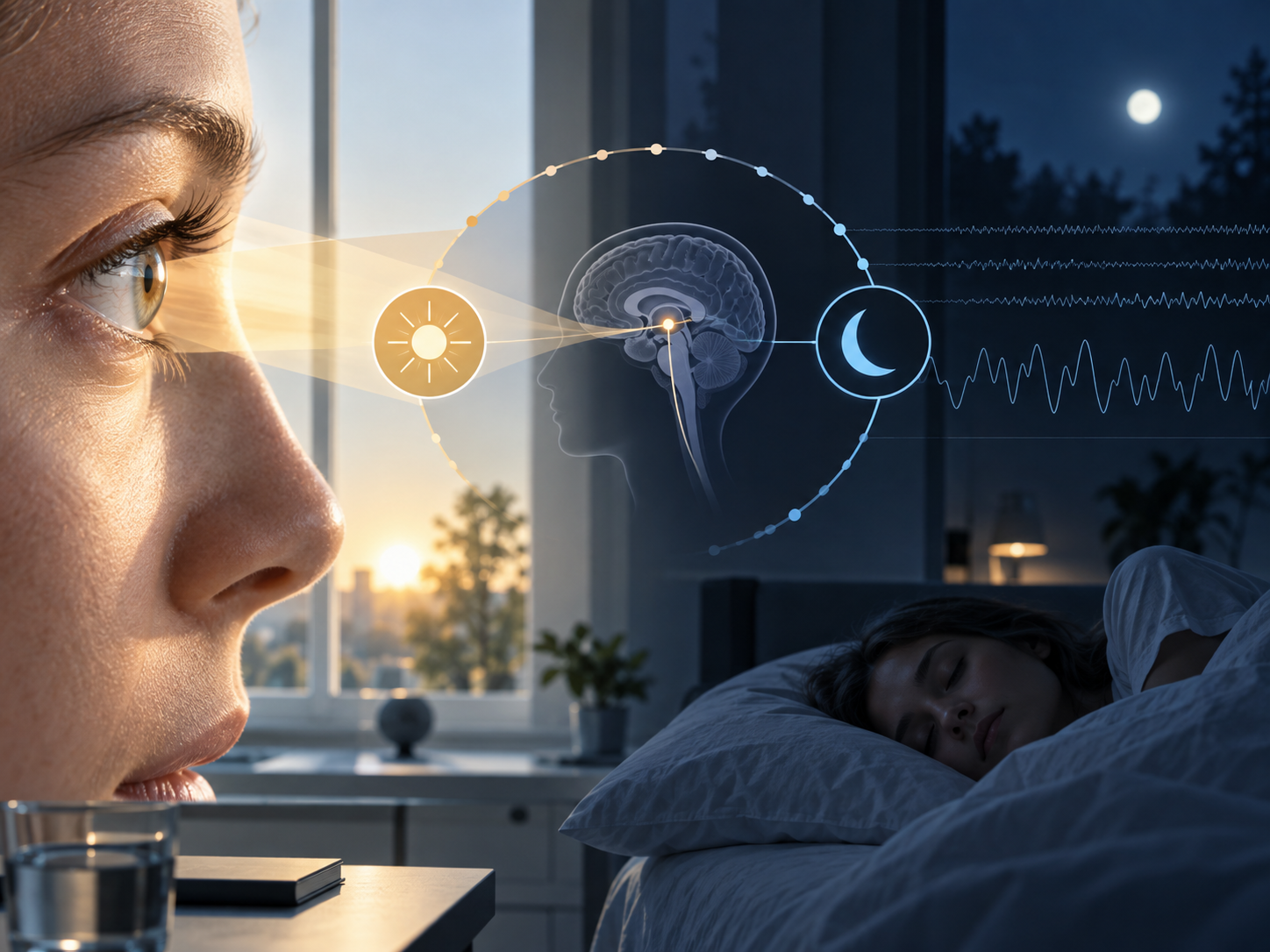
02 / CIRCADIAN & HOMEOSTATIC REGULATIONLight, visual load, and sleep regulation
How does daytime environmental input alter nocturnal sleep through circadian and homeostatic processes?
Using the two-process model of sleep regulation, we examine the immediate and delayed effects of light timing, illuminance, and daytime visual load on alertness, sleep propensity, sleep architecture, and homeostatic sleep pressure.
- Theory
- Circadian process C · homeostatic process S · non-visual effects of light
- Methods
- Light experiments · visual tasks · PSG · subjective measures
- Current project
- Neural mechanisms linking daytime light exposure to nocturnal sleep and homeostatic sleep pressure
- Grant
- 23YJC190034
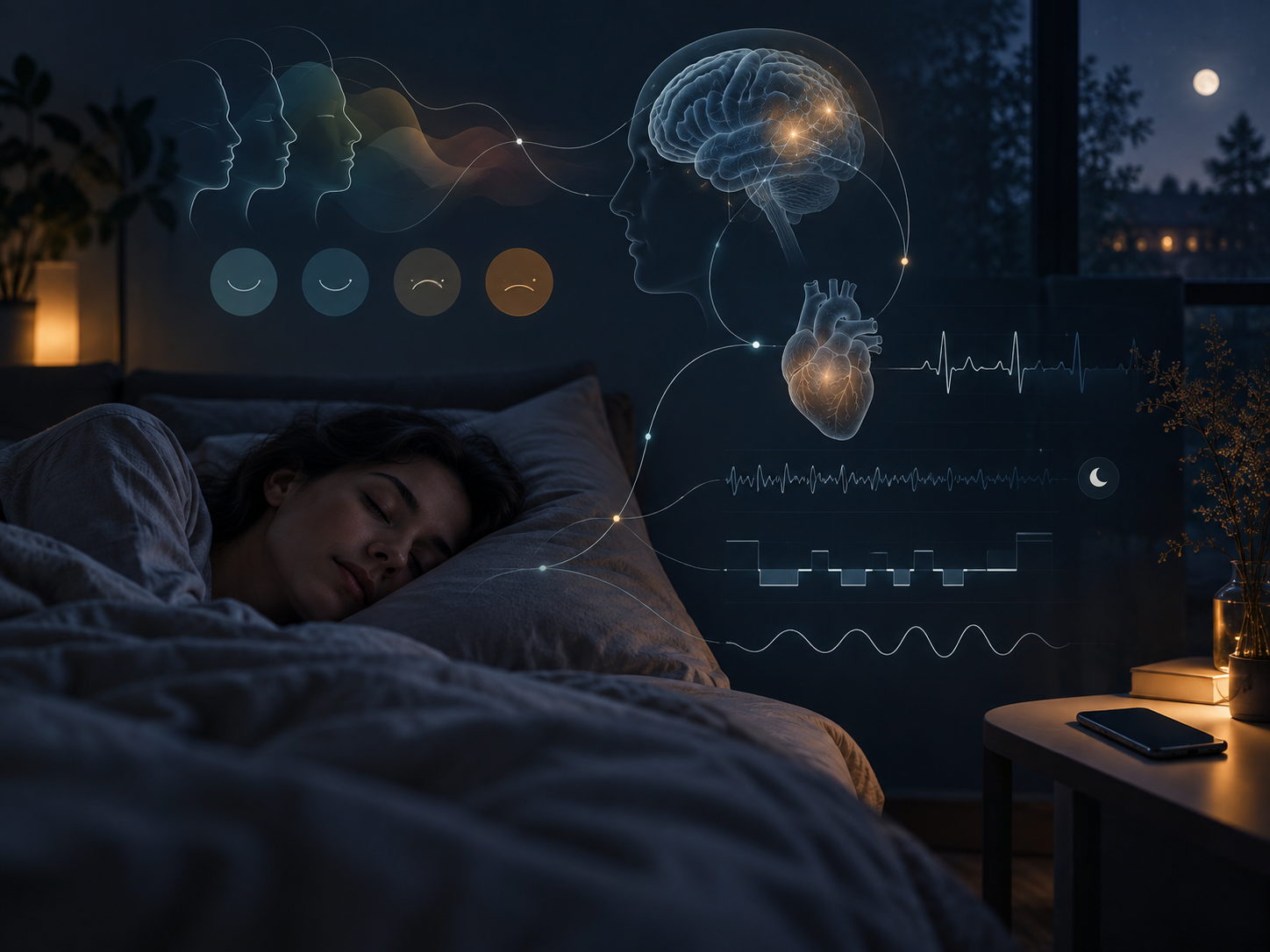
03 / INDIVIDUAL DIFFERENCES & SLEEP HEALTHIndividual differences and sleep health
How do stable personality tendencies interact with stress and emotion to produce different sleep outcomes?
From vulnerability–stress and individual-differences perspectives, we study direct and indirect pathways linking personality, rumination, coping, emotional state, and sleep quality, as well as feedback from sleep to daytime psychological functioning.
- Theory
- Individual differences · vulnerability–stress · bidirectional effects
- Methods
- Psychometrics · longitudinal designs · mediation and moderation models
- Topics
- Personality · emotional health · sleep quality · daytime functioning
- EEG / ERPElectroencephalography and event-related potentials
- PSGPolysomnography
- BEHAVIORBehavioral and cognitive experiments
- LONGITUDINALLongitudinal and ecological research